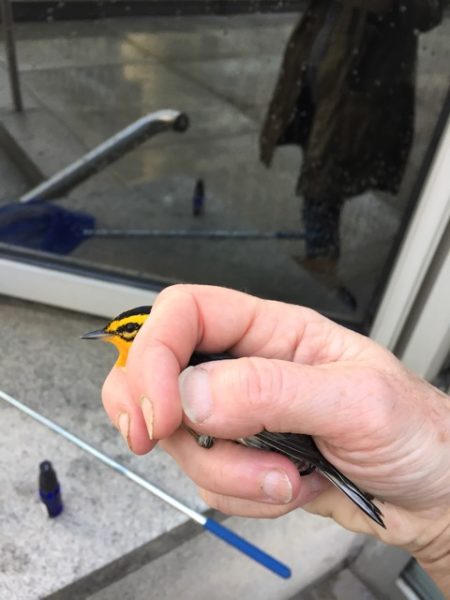
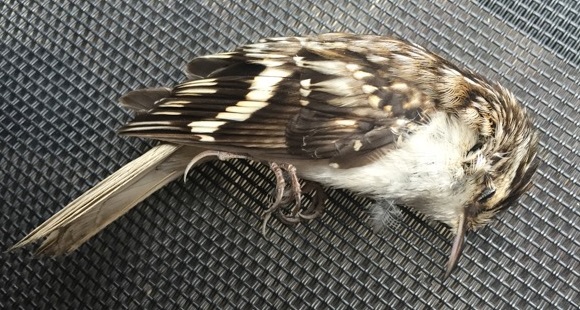
While springtime is not as busy as fall, spring migration brings a large number of birds into the area in a short amount of time causing dense groupings to enter the city in quick succession. Adult breeding males and females are heading to their breeding grounds to set up territories. Many migrants travel throughout the night and drop in at first light to refuel after a few hundred miles of flying. If they find themselves in the city, they can quickly become stuck in a maze of invisible barriers that may look like trees or open sky. Unable to tell the difference between a real tree and a reflected one, they could fly towards what they believe to be another tree but end up hitting a window at full speed. Unfortunately, most birds die on impact while others are lucky enough to recover after a few minutes and try again to escape the city.
BirdSafe Pittsburgh volunteers monitor the streets of downtown during the early hours of day to look for injured or dead birds that can be captured and rehabilitated or collected as specimens for the Carnegie Museum of Natural History. Injured birds are taken to the Animal Rescue League’s Wildlife Center in Verona where they are rehabilitated and released again to continue their journey.
This past spring (January 16 – July 7) volunteers spent 188 hours searching (table 3) and collected 108 birds, 23 of which were stunned and captured for rehabilitation (table 1). We also had a large number of species found this spring with a total of 41! That’s an increase of 5 species from 2015 and 12 species from 2014 (table 2).
Table 1.) Birds found during BirdSafe Pittsburgh monitoring January 16 – July 7, 2016
| Species | Dead Birds | Stunned Birds | Total |
|---|---|---|---|
| American Robin | 3 | 1 | 4 |
| American Woodcock | 1 | 1 | |
| Baltimore Oriole | 1 | 1 | |
| Bay-breasted Warbler | 1 | 1 | |
| Black & White Warbler | 1 | 1 | |
| Blackbumian Warbler | 1 | 1 | |
| Blue Jay | 1 | 1 | |
| Brown Creeper | 3 | 1 | 4 |
| Brown Thrasher | 3 | 3 | |
| Cedar Waxwing | 9 | 9 | |
| Common Grackle | 3 | 1 | 4 |
| Common Yellowthroat | 2 | 3 | 5 |
| Dark-eyed Junco | 1 | 1 | 2 |
| European Starling | 2 | 2 | |
| Golden-crowned Kinglet | 1 | 1 | |
| Gray Catbird | 5 | 1 | 6 |
| Hermit Thrush | 1 | 1 | |
| House Finch | 1 | 1 | |
| House Sparrow | 3 | 1 | 4 |
| Indigo Bunting | 3 | 3 | |
| Magnolia Warbler | 1 | 1 | |
| Mourning Dove | 2 | 1 | 3 |
| Nashville Warbler | 1 | 1 | |
| Northern Cardinal | 2 | 2 | |
| Northern Flicker | 1 | 1 | |
| Northern Waterthrush | 3 | 3 | |
| Ovenbird | 4 | 1 | 5 |
| Red-eyed Vireo | 1 | 1 | |
| Rose-breasted Grosbeak | 3 | 3 | |
| Ruby-throated Hummingbird | 1 | 1 | |
| Song Sparrow | 3 | 3 | |
| Tennessee Warbler | 1 | 1 | |
| Unknown Species | 3 | 3 | |
| White-throated Sparrow | 4 | 4 | |
| Willow Flycatcher | 1 | 1 | |
| Wood Thrush | 5 | 2 | 7 |
| Worm-eating Warbler | 1 | 1 | |
| Yellow Warbler | 1 | 1 | |
| Yellow-bellied Sapsucker | 5 | 2 | 7 |
| Yellow-billed Cuckoo | 2 | 2 | |
| Yellow-rumped Warbler | 2 | 2 | |
| Grand total | 85 | 23 | 108 |
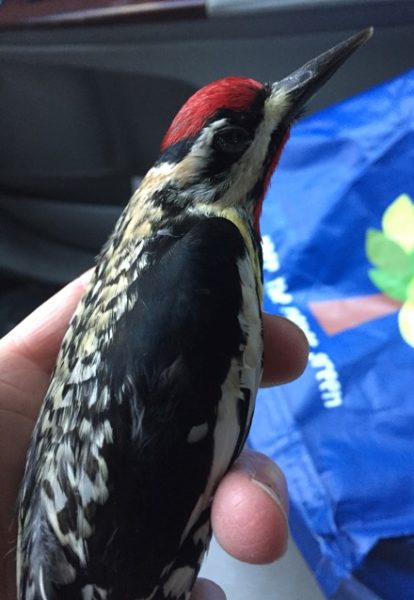
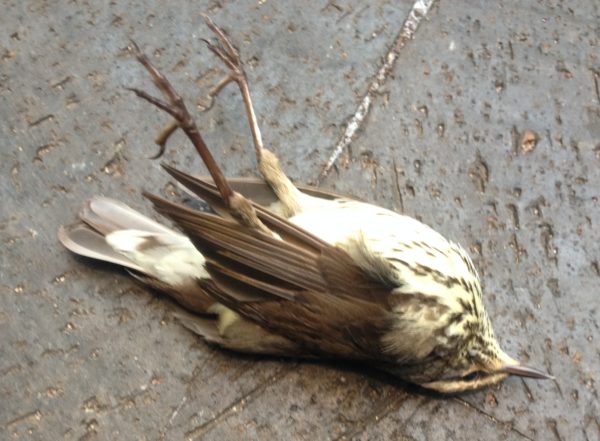
Table 2.) Comparing species totals from spring of 2014, 2015, 2016.
(* denotes species were only found in that year’s spring)
| 2016 (41) | 2015 (36) | 2014 (29) |
|---|---|---|
| American Robin | American Robin | American Robin |
| American Woodcock | American Woodcock | |
| Baltimore Oriole* | ||
| Bay-breasted Warbler* | ||
| Black & White Warbler | Black & White Warbler | |
| Black-billed Cuckoo* | ||
| Black-throated Green Warbler* | ||
| Blackbumian Warbler* | ||
| Blue Jay | Blue Jay | |
| Brown Creeper | Brown Creeper | |
| Brown Thrasher | Brown Thrasher | |
| Canada Warbler* | ||
| Cedar Waxwing | Cedar Waxwing | Cedar Waxwing |
| Chestnut-sided Warbler* | ||
| Common Grackle | Common Grackle | Common Grackle |
| Common Yellowthroat | Common Yellowthroat | Common Yellowthroat |
| Cooper’s Hawk* | ||
| Dark-eyed Junco* | ||
| Eastern Lowhee* | ||
| Eastern Whip-poor-will* | ||
| Empidonax sp | ||
| European Starling* | ||
| Golden-crowned Kinglet | Golden-crowned Kinglet | |
| Gray Catbird | Gray Catbird | Gray Catbird |
| Gull sp* | ||
| Hairy Woodpecker* | ||
| Hermit Thrush* | ||
| Hooded Warbler* | ||
| House Finch* | House Finch | |
| House Sparrow | House Sparrow | House Sparrow |
| House Wren* | ||
| Indigo Bunting* | Indigo Bunting | |
| Kentucky Warbler* | ||
| Magnolia Warbler* | Magnolia Warbler | |
| Mourning Dove | Mourning Dove | |
| Nashville Warbler* | ||
| Northern Cardinal | Northern Cardinal | |
| Northern Flicker | Northern Flicker | Northern Flicker |
| Northern Waterthrush | Northern Waterthrush | |
| Northern Rough-winged Swallow* | ||
| Ovenbird | Ovenbird | Ovenbird |
| Pine Warbler* | ||
| Red-eyed Vireo* | ||
| Red-winged Blackbird* | ||
| Rose-breasted Grosbeak* | ||
| Ruby-crowned Kinglet | ||
| Ruby-throated Hummingbird | Ruby-throated Hummingbird | Ruby-throated Hummingbird |
| Song Sparrow | Song Sparrow | Song Sparrow |
| Tennessee Warbler | Tennessee Warbler | |
| Unknown Species | Unknown Species | Unknown Species |
| White-breasted Nuthatch* | White-breasted Nuthatch | |
| White-eyed Vireo* | ||
| White-throated Sparrow | White-throated Sparrow | White-throated Sparrow |
| Willow Flycatcher* | ||
| Wood Thrush | Wood Thrush | Wood Thrush |
| Worm-eating Warbler* | ||
| Yellow Warbler | Yellow Warbler | Yellow Warbler |
| Yellow-bellied Sapsucker | Yellow-bellied Sapsucker | Yellow-bellied Sapsucker |
| Yellow-billed Cuckoo | Yellow-billed Cuckoo | |
| Yellow-rumped Warbler | Yellow-rumped Warbler (Myrtle) |
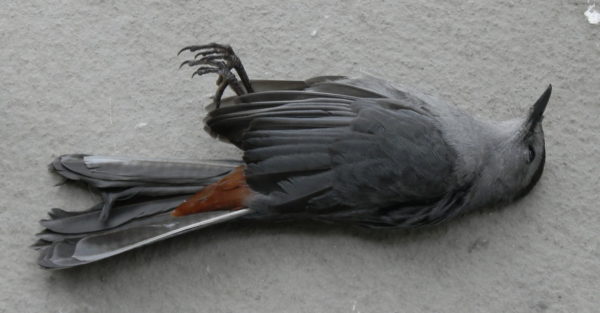
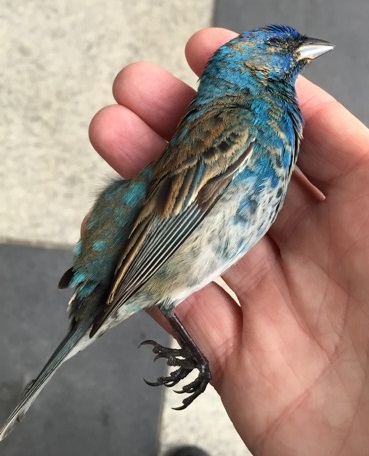
Table 3.) comparing the hours volunteers spent walking routes and looking for dead or stunned birds from the spring of 2014, 2015, and 2016
| Year | Sum Total of Hours |
|---|---|
| 2014 | 84 |
| 2015 | 213 |
| 2016 | 188 |
| Grand total | 485 |
If you would like more information about how you can get involved in helping us learn more about window collisions in the Pittsburgh area visit this page. You can also follow us on Facebook and email us at birdsafepgh@gmail.com






Our eNews features information on exhibitions,
upcoming events, and subscriber-only special offers!
Sign Up for eNews